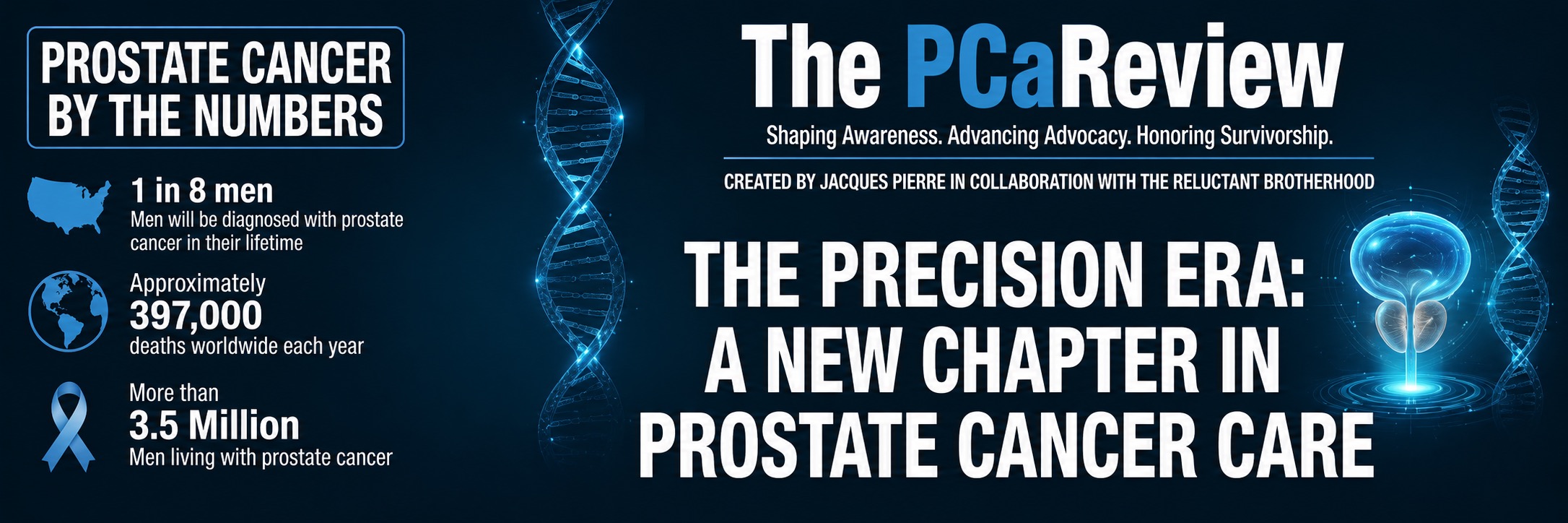
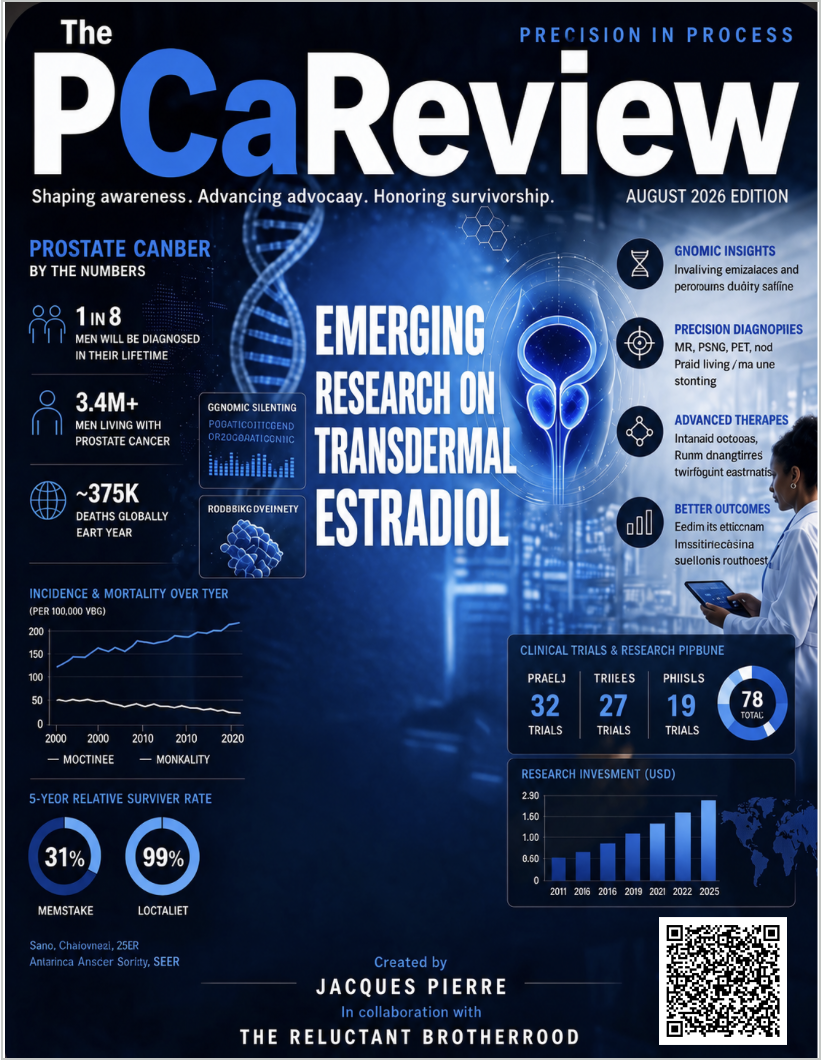
About The PCaReview: Precision in Progress
The PCaReview: Precision in Progress is a monthly, research-driven publication dedicated to advancing understanding of prostate cancer through evidence-based education, clinical insights, survivorship guidance, and patient-centered information.
Designed for patients, survivors, caregivers, advocates, and healthcare professionals, the publication highlights current developments in prostate cancer diagnosis, treatment, quality of life, supportive care, and emerging research. Our mission is to make trusted medical information accessible, understandable, and relevant while encouraging informed conversations between patients, families, and healthcare teams.
Every issue translates complex scientific evidence into clear, practical language without sacrificing accuracy. We distinguish established standards of care from emerging research and investigational therapies, helping readers better understand where the science stands today.
Editorial Standards
PCaReview is committed to providing accurate, balanced, and evidence-based content. Articles are developed using peer-reviewed research, recognized clinical practice guidelines, expert-reviewed educational resources, and publications from respected cancer organizations whenever possible.
Editorial principles include:
- Translating complex medical research into patient-friendly language.
- Maintaining scientific accuracy and editorial neutrality.
- Explaining current standards of care.
- Highlighting promising but investigational research while clearly describing its current level of evidence.
- Supporting shared decision-making between patients and healthcare professionals.
- Encouraging patient empowerment through education.
- Avoiding sensationalism, unsupported medical claims, and individualized medical advice.
Medical Disclaimer
This publication is intended for informational and educational purposes only and is not a substitute for professional medical advice, diagnosis, or treatment.
The information presented reflects available scientific evidence and clinical guidance at the time of publication. Medical knowledge continues to evolve as new research becomes available.
Readers should always consult qualified physicians and other healthcare professionals regarding diagnosis, treatment decisions, medications, participation in clinical trials, and individual healthcare needs.
Nothing contained in this publication should be interpreted as a recommendation for a specific treatment or as personalized medical advice.
Publication Information
Publication: The PCaReview: Precision in Progress
Issue: August 2026 Edition
Editor-in-Chief: Jacques Pierre
© 2026 All Rights Reserved.
Copyright Notice
No part of this publication may be reproduced, distributed, transmitted, stored, or otherwise used in any form or by any means without prior written permission from the publisher, except for brief quotations used in reviews, commentary, news reporting, or educational reference where permitted by applicable law.
Contributor Notice
Unless otherwise stated, all articles, photographs, illustrations, graphics, charts, and visual materials remain the property of their respective creators and are used under license, permission, or agreement.
Opinions expressed by contributing authors represent interpretations of available scientific evidence and should not be considered official clinical guidance unless specifically identified as such.
Trademarks
All trademarks, service marks, logos, and brand names appearing in this publication remain the property of their respective owners. Their inclusion does not imply endorsement, sponsorship, or affiliation unless explicitly stated.
Contact & Publication Updates
For publication updates, feature announcements, educational resources, and future issues of The PCaReview: Precision in Progress, readers are encouraged to follow the publication through its official communication channels.
Table of Contents
- Introduction
- Understanding Traditional Androgen Deprivation Therapy (ADT)
- Why Hormone Therapy Remains a Cornerstone of Care
- The Estradiol Initiative and Transdermal Estradiol Research
- Current Clinical Trials and Emerging Evidence
- Bone Health During Hormone Therapy
- Cardiovascular and Metabolic Health
- Sexual Health and Intimacy
- Emotional Health and Mental Well-being
- Shared Decision-Making
- Nutrition and Lifestyle Across the Prostate Cancer Journey
- Future Directions
- Conclusion
- Additional Resources
- References
Introduction
Hormone therapy, commonly called androgen deprivation therapy (ADT), has been a cornerstone of prostate cancer treatment for more than eight decades. For men with advanced, recurrent, or metastatic prostate cancer, reducing testosterone levels can slow or stop the growth of cancer cells and improve outcomes. Today, ADT is frequently combined with newer medications, radiation therapy, or chemotherapy as part of a comprehensive treatment strategy.
Although ADT has transformed the management of prostate cancer, it is also associated with a range of side effects that can affect daily life. Fatigue, hot flashes, changes in sexual function, loss of muscle mass, weight gain, reduced bone density, mood changes, and metabolic complications are among the most common concerns reported by patients. As more people live longer with prostate cancer, preserving quality of life has become an increasingly important goal alongside controlling the disease.
This growing focus has prompted researchers to ask an important question: Can hormone therapy remain effective while reducing some of its long-term side effects?
One area receiving increased scientific attention is the use of transdermal estradiol (tE2)—estradiol delivered through skin patches—as an alternative method of suppressing testosterone. Research studies, including the PATCH and STAMPEDE clinical trial programs, have explored whether this approach may provide cancer control comparable to conventional ADT while potentially offering different effects on bone health, metabolism, cardiovascular health, and overall quality of life. While this research is promising, transdermal estradiol is not yet considered a standard treatment for most patients, and ongoing studies continue to evaluate its benefits and risks.
Alongside these scientific developments, educational efforts such as the Estradiol Initiative have encouraged conversations about supportive care, survivorship, and the lived experience of patients receiving hormone therapy. These discussions recognize that successful treatment is measured not only by cancer control but also by how well individuals are able to maintain physical health, emotional well-being, relationships, independence, and overall quality of life.
This feature article reviews current standards of care, explains emerging research in patient-friendly language, and highlights practical strategies that patients and caregivers can discuss with their healthcare teams. Throughout the article, established evidence is clearly distinguished from investigational therapies so readers can better understand what is currently recommended in clinical practice and what remains under active study.
What This Means for You
Receiving hormone therapy involves more than lowering testosterone levels. It is a treatment that can affect many aspects of physical and emotional health over time. Understanding why hormone therapy is recommended, what side effects to expect, and what supportive care options are available can help you take an active role in your care.
Being informed also makes it easier to ask questions about new research while recognizing that not every promising study immediately changes standard medical practice.
What to Ask Your Doctor
- Why is hormone therapy recommended in my situation?
- What type of ADT will I receive?
- Will hormone therapy be combined with radiation, chemotherapy, or another medication?
- What side effects are most common with my treatment?
- How will my treatment be monitored over time?
- Are there supportive care services available to help manage side effects?
- Are any clinical trials appropriate for my prostate cancer stage?
Learn More
- National Cancer Institute – Prostate Cancer Treatment (PDQ): https://www.cancer.gov/types/prostate
- National Cancer Institute – Hormone Therapy for Prostate Cancer: https://www.cancer.gov/types/prostate/prostate-hormone-therapy-fact-sheet
Understanding Traditional Androgen Deprivation Therapy (ADT)
Prostate cancer cells often depend on androgens, primarily testosterone and its more active form, dihydrotestosterone (DHT), to grow and survive. Hormone therapy works by lowering the body's production of these hormones or by preventing them from stimulating cancer cells.
The goal is not to eliminate every prostate cancer cell directly but to deprive many cancer cells of an important growth signal. For this reason, hormone therapy is sometimes called androgen suppression therapy or testosterone suppression therapy, although the medical term androgen deprivation therapy (ADT) remains the most widely used.
Modern ADT is commonly achieved using medications known as luteinizing hormone-releasing hormone (LHRH) agonists or gonadotropin-releasing hormone (GnRH) antagonists, both of which reduce testosterone production by the testes. In some situations, surgical removal of the testes (bilateral orchiectomy) may also be considered, although medication-based therapy is more commonly used today.
For many patients, ADT is combined with additional therapies such as androgen receptor pathway inhibitors (ARPIs), chemotherapy, radiation therapy, or targeted treatments depending on the stage and biology of the cancer.
Common Situations Where ADT Is Used
Hormone therapy may be recommended for:
- Metastatic prostate cancer.
- Biochemical recurrence after surgery or radiation in selected patients.
- High-risk localized disease treated with radiotherapy.
- Locally advanced prostate cancer.
- Selected cases of node-positive disease.
- Symptom management in advanced disease.
The duration of treatment varies widely depending on disease stage, treatment goals, and individual circumstances. Some patients receive ADT for several months alongside radiation therapy, while others may remain on hormone therapy for years.
Common Side Effects
Because testosterone influences many organs throughout the body, lowering hormone levels can produce effects beyond cancer control. Common side effects include:
- Hot flashes.
- Fatigue.
- Reduced libido.
- Erectile dysfunction.
- Loss of muscle mass.
- Increased body fat.
- Weight gain.
- Bone density loss.
- Mood changes.
- Sleep disturbances.
- Metabolic changes, including insulin resistance.
- Increased risk of osteoporosis and fractures with long-term treatment.
Not every patient experiences every side effect, and the severity varies. Supportive care, exercise, nutrition, medications, counseling, and regular monitoring can help reduce many of these treatment-related effects.
What This Means for You
Starting ADT marks the beginning of a broader health journey that extends beyond treating cancer. Monitoring bone health, heart health, emotional well-being, sleep, nutrition, and physical activity should become part of your overall care plan from the beginning.
Many side effects can be managed more effectively when they are identified early. Keeping a symptom journal and discussing new concerns during follow-up visits can help your healthcare team adjust supportive care strategies as needed.
What to Ask Your Doctor
- Which ADT medication will I receive and why?
- How long is treatment expected to last?
- What side effects are most likely for me?
- Should I have a baseline bone density (DEXA) scan?
- How often will my PSA and testosterone levels be monitored?
- What can I do now to protect my muscles, bones, and heart?
- Would meeting with a dietitian, physical therapist, or exercise specialist be helpful?
Learn More
- National Cancer Institute – Prostate Cancer Treatment (PDQ): https://www.cancer.gov/types/prostate
- American Cancer Society – Hormone Therapy for Prostate Cancer: https://www.cancer.org/cancer/types/prostate-cancer/treating/hormone-therapy.html
Why Hormone Therapy Remains a Cornerstone of Care
Over the past several decades, prostate cancer treatment has changed dramatically. New imaging technologies, precision radiation techniques, targeted therapies, genomic testing, and novel medications have expanded treatment options for many patients. Despite these advances, androgen deprivation therapy (ADT) continues to play a central role in managing prostate cancer because many prostate cancer cells rely on androgens—primarily testosterone—to grow and survive.
Hormone therapy is often recommended in combination with other treatments rather than as a stand-alone approach. For example, men with high-risk localized prostate cancer frequently receive ADT before, during, and after radiation therapy because clinical studies have shown that combining these treatments can improve outcomes in appropriately selected patients. Likewise, men with metastatic hormone-sensitive prostate cancer often receive ADT together with an androgen receptor pathway inhibitor (ARPI), chemotherapy, or both, depending on disease characteristics and overall health.
While ADT remains highly effective for controlling disease, researchers increasingly recognize that treatment success should be measured by more than cancer control alone. Preserving independence, mobility, emotional well-being, cognitive function, sexual health, and overall quality of life has become an important part of comprehensive prostate cancer care.
As a result, clinicians are paying greater attention to supportive care measures that begin before treatment starts rather than waiting until side effects become severe.
Standard Forms of ADT
Current guideline-supported approaches include:
- GnRH agonists
- GnRH antagonists
- Bilateral orchiectomy (surgical removal of the testes) in selected situations
- Combination therapy with androgen receptor pathway inhibitors for many patients with advanced disease
The choice of therapy depends on factors such as cancer stage, previous treatments, other medical conditions, treatment goals, and patient preferences.
Established Standard of Care
Conventional ADT using GnRH agonists or antagonists remains the standard hormonal treatment for most patients with advanced prostate cancer. These approaches have been studied extensively in large clinical trials and are incorporated into major clinical practice guidelines.
What This Means for You
Although newer treatments continue to emerge, conventional ADT remains one of the best-studied and most effective therapies for controlling advanced prostate cancer. If your doctor recommends hormone therapy, it is because strong scientific evidence supports its use in the appropriate clinical setting.
Understanding why ADT is recommended can also help you appreciate the importance of managing side effects early rather than viewing them as something that must simply be tolerated.
What to Ask Your Doctor
- Why is this specific form of hormone therapy recommended for me?
- Will I also receive another medication with ADT?
- How will we measure whether treatment is working?
- What supportive care should begin before treatment starts?
- Which side effects are temporary and which may last longer?
Learn More
- National Cancer Institute – Prostate Cancer Treatment (PDQ): https://www.cancer.gov/types/prostate
- American Cancer Society – Hormone Therapy for Prostate Cancer: https://www.cancer.org/cancer/types/prostate-cancer/treating/hormone-therapy.html
The Estradiol Initiative
As conversations about survivorship have grown, several organizations have emphasized the importance of improving quality of life while maintaining effective cancer treatment. Among these efforts is the Estradiol Initiative, an educational and advocacy initiative focused on increasing awareness of research involving transdermal estradiol (tE2) and supportive care during hormone therapy.
The Initiative encourages patients, caregivers, clinicians, and researchers to engage in informed discussions about evolving evidence related to hormone therapy. Its educational materials explain current research, clarify medical terminology, and encourage patients to participate actively in conversations with their healthcare teams.
Importantly, educational initiatives do not establish standards of care. Instead, they help patients understand ongoing research and ask informed questions about emerging treatment strategies.
The Initiative also highlights the broader concept that effective prostate cancer care should address not only survival but also the physical, emotional, and social effects of treatment.
What This Means for You
Educational organizations can be valuable resources for learning about new areas of research, but treatment decisions should always be based on discussions with qualified healthcare professionals and current clinical guidelines.
Reading about emerging therapies may help you prepare thoughtful questions for future appointments while recognizing that research findings often require years of additional study before becoming routine practice.
What to Ask Your Doctor
- Have you reviewed research involving transdermal estradiol?
- Is this approach considered standard care for my diagnosis?
- Are there clinical trials that I should know about?
- How should I interpret information from patient advocacy organizations?
Learn More
- Estradiol Initiative Educational Resources: https://estradiolinitiative.org
- National Cancer Institute Clinical Trials Search: https://clinicaltrials.gov
Understanding Transdermal Estradiol (tE2)
Estradiol is a naturally occurring form of estrogen. Although estrogen is often thought of as a female hormone, it also plays important roles in men's health, including maintaining bone strength, supporting aspects of cardiovascular function, and contributing to normal physiology.
Before modern hormone therapies became available, estrogen medications were sometimes used to suppress testosterone in men with prostate cancer. However, oral estrogen was associated with increased cardiovascular complications because it passes through the liver before entering the bloodstream, affecting blood clotting and other metabolic pathways.
Transdermal estradiol delivers estrogen through skin patches instead of oral tablets. By bypassing the liver's "first-pass" metabolism, researchers have hypothesized that transdermal delivery may reduce some of the cardiovascular risks associated with older oral estrogen treatments while still effectively lowering testosterone levels.
This scientific concept has led to several important clinical trials evaluating whether transdermal estradiol could become an alternative method of androgen suppression.
Emerging Research
Current evidence suggests that transdermal estradiol can effectively suppress testosterone in many patients. However, researchers continue to study long-term cancer outcomes, cardiovascular safety, quality-of-life measures, and appropriate patient selection.
At present, transdermal estradiol remains an area of active investigation and is not considered routine standard therapy for most patients outside specific healthcare systems, research settings, or individual clinical circumstances.
What This Means for You
It is understandable to be interested in treatments that may reduce side effects. However, promising research does not automatically replace therapies that have decades of clinical evidence behind them.
Discussing new research with your healthcare team can help you understand whether investigational approaches may be relevant to your situation or whether standard treatments remain the best-supported option.
What to Ask Your Doctor
- What is transdermal estradiol?
- How does it differ from conventional ADT?
- Is it approved or investigational where I receive care?
- What benefits have researchers observed so far?
- What questions remain unanswered?
Learn More
- National Cancer Institute – Hormone Therapy Fact Sheet: https://www.cancer.gov/types/prostate/prostate-hormone-therapy-fact-sheet
Current Research: The PATCH Trial
One of the most influential studies evaluating transdermal estradiol is the Prostate Adenocarcinoma Transcutaneous Hormone (PATCH) trial.
The PATCH program has examined whether estradiol patches can achieve testosterone suppression comparable to conventional ADT while producing different side-effect profiles.
Research has shown that testosterone suppression can be successfully achieved with transdermal estradiol. Investigators have also reported encouraging findings related to bone health and some metabolic measures. However, certain side effects, including breast enlargement (gynecomastia) and skin irritation from patches, occurred more frequently than with conventional ADT.
Researchers continue to analyze long-term outcomes, including cancer control, cardiovascular safety, and quality of life.
What This Means for You
The PATCH trial has provided valuable information about how transdermal estradiol works and where it may fit into future prostate cancer care. Even so, one clinical trial alone is not enough to establish a new standard of care.
Scientific progress often requires multiple studies that confirm similar findings across diverse patient populations.
What to Ask Your Doctor
- What has the PATCH trial taught us?
- Have these findings changed current treatment recommendations?
- Are additional studies still underway?
- What side effects were most common with estradiol patches?
Current Research: The STAMPEDE Platform
The STAMPEDE clinical trial platform has become one of the world's largest and most influential prostate cancer research programs. Rather than studying a single treatment, STAMPEDE evaluates multiple treatment strategies over time using an adaptive clinical trial design.
Within this broader research effort, investigators have explored transdermal estradiol alongside other evolving therapies.
The adaptive nature of STAMPEDE allows researchers to compare new treatment approaches efficiently while incorporating emerging scientific knowledge. Findings from this program have helped shape modern prostate cancer treatment strategies in many areas, although continued follow-up remains important for evaluating long-term outcomes.
Areas Being Studied
Researchers continue to investigate:
- Long-term cancer control
- Overall survival
- Progression-free survival
- Cardiovascular outcomes
- Bone health
- Metabolic effects
- Patient-reported quality of life
- Safety profiles
Current Evidence
Research to date is encouraging but still evolving. While transdermal estradiol has demonstrated effective testosterone suppression and promising quality-of-life findings in selected studies, additional research is needed before widespread adoption into routine clinical practice.
What This Means for You
Clinical trials move medicine forward. Whether or not a particular treatment ultimately becomes standard care, every carefully conducted study helps improve understanding of prostate cancer and informs future treatment decisions.
What to Ask Your Doctor
- Are there clinical trials that match my situation?
- How are investigational treatments monitored for safety?
- Would participating in research affect my standard treatment options?
Learn More
- ClinicalTrials.gov
- National Cancer Institute Clinical Trials Information
- Cancer Research UK Clinical Trials Information
Bone Health During Hormone Therapy
Bone health is an essential part of prostate cancer care, particularly for patients receiving long-term androgen deprivation therapy (ADT). Testosterone and estrogen both play important roles in maintaining normal bone remodeling. When testosterone levels are lowered through ADT, estrogen levels also decline because some testosterone is normally converted into estrogen. This reduction can accelerate bone loss, increasing the risk of osteopenia, osteoporosis, and fractures.
Unlike many treatment side effects, bone loss is often "silent." A person may feel well while bone density gradually decreases over months or years. For this reason, proactive monitoring and prevention are important components of supportive care.
Why Bone Health Matters
Fractures can significantly affect mobility, independence, and quality of life. Hip and spinal fractures may lead to chronic pain, hospitalization, and reduced physical function, particularly in older adults.
Research has consistently shown that men receiving prolonged ADT have a higher risk of bone mineral density loss compared with men not receiving hormone therapy. This is why many professional organizations recommend routine assessment of bone health before and during treatment.
Assessing Bone Health
Your healthcare team may recommend:
- A baseline dual-energy X-ray absorptiometry (DEXA) scan before or shortly after starting long-term ADT.
- Periodic follow-up DEXA scans to monitor changes in bone density.
- Blood tests to evaluate calcium, vitamin D, kidney function, or other factors that influence bone health.
- A fracture risk assessment based on age, medical history, medications, and previous fractures.
These evaluations help identify patients who may benefit from additional preventive measures or treatment.
Strategies to Protect Bone Health
While not every patient requires medication for bone protection, many benefit from lifestyle measures that support bone strength throughout treatment.
These may include:
- Regular weight-bearing activities such as walking or stair climbing.
- Resistance or strength training to help maintain muscle and bone.
- Balance exercises to reduce the risk of falls.
- Adequate dietary calcium from food sources whenever possible.
- Vitamin D intake when recommended by your healthcare team.
- Avoiding smoking and limiting excessive alcohol consumption.
- Maintaining a healthy body weight.
For some patients with osteoporosis or a high fracture risk, medications that strengthen bone may also be considered. These decisions are individualized and depend on overall health, fracture risk, kidney function, and other clinical factors.
Bone-Protective Medications
Some patients receiving long-term ADT may be candidates for medications that reduce the risk of fractures. These medications are generally reserved for patients with osteoporosis, significant bone loss, or an elevated fracture risk based on clinical assessment.
Because these medications can have potential side effects, including effects on kidney function or jaw health, your healthcare team will discuss the potential benefits and risks before treatment begins. Good dental care and routine dental evaluations are often recommended before starting certain bone-strengthening therapies.
What This Means for You
Bone health deserves attention from the beginning of hormone therapy—not only after problems develop. Taking steps to preserve bone strength early may reduce the risk of fractures later in treatment.
Exercise, nutrition, regular monitoring, and open communication with your healthcare team are all part of protecting long-term skeletal health.
What to Ask Your Doctor
- Should I have a baseline DEXA scan?
- How often should my bone density be monitored?
- Am I getting enough calcium and vitamin D?
- Would I benefit from seeing a physiotherapist or exercise specialist?
- Do I have risk factors for osteoporosis?
- Should I consider medication to protect my bones?
- Are there precautions I should take to reduce my risk of falls?
Sample Questions
- What symptoms might suggest weakening bones?
- Which exercises are safest for me?
- Should I avoid high-impact activities?
- How can I improve balance as I age?
- What should I do if I experience new back or hip pain?
Learn More
- National Cancer Institute – Prostate Cancer Treatment: https://www.cancer.gov/types/prostate
- National Institutes of Health – Osteoporosis Overview: https://www.niams.nih.gov/health-topics/osteoporosis
- Johns Hopkins Medicine – Bone Health: https://www.hopkinsmedicine.org
Cardiovascular & Metabolic Health
Modern prostate cancer care extends beyond treating cancer alone. Researchers increasingly recognize that maintaining heart health and metabolic health is an important part of survivorship, particularly for patients receiving long-term hormone therapy.
Testosterone influences muscle mass, fat distribution, cholesterol metabolism, blood sugar regulation, and cardiovascular physiology. As testosterone levels decrease during ADT, some patients develop changes that increase the risk of metabolic syndrome, diabetes, or cardiovascular disease.
These risks vary considerably from person to person and are influenced by age, family history, smoking status, blood pressure, cholesterol levels, body weight, physical activity, and existing heart disease.
Common Metabolic Changes During ADT
Patients may experience:
- Increased body fat.
- Loss of lean muscle mass.
- Weight gain.
- Reduced insulin sensitivity.
- Higher blood sugar levels.
- Changes in cholesterol and triglycerides.
- Reduced physical endurance.
Not every patient develops these changes, and many can be reduced through preventive care and healthy lifestyle habits.
Supporting Heart Health
Heart health begins with routine preventive care. Your oncology and primary care teams may work together to monitor:
- Blood pressure.
- Cholesterol levels.
- Blood glucose or hemoglobin A1c.
- Body weight and waist circumference.
- Physical activity.
- Smoking status.
Lifestyle measures remain one of the most effective ways to reduce cardiovascular risk during treatment.
These include:
- Regular aerobic exercise.
- Resistance training.
- A Mediterranean-style dietary pattern.
- Maintaining a healthy weight.
- Good sleep habits.
- Stress management.
- Smoking cessation when applicable.
For patients with existing cardiovascular disease, collaboration between oncology and cardiology specialists may be especially valuable.
What This Means for You
Heart health is an important part of cancer care. Many of the same habits that support cardiovascular health—regular activity, healthy eating, maintaining muscle strength, and managing blood pressure—also improve energy, independence, and overall quality of life.
Think of these habits as part of your treatment plan rather than something separate from it.
What to Ask Your Doctor
- How might ADT affect my heart health?
- Should I have additional cardiovascular screening?
- Are there exercise recommendations based on my medical history?
- How often should my cholesterol and blood sugar be checked?
- Would a referral to a dietitian or cardiac rehabilitation program be helpful?
Sample Questions
- Is my blood pressure where it should be?
- How much exercise is recommended each week?
- What signs of heart disease should I watch?
- Should I change my diet while receiving hormone therapy?
- Are there medications that could increase my cardiovascular risk?
Learn More
- American Heart Association: https://www.heart.org
- National Cancer Institute – Prostate Cancer: https://www.cancer.gov/types/prostate
- Cleveland Clinic – Heart Health: https://my.clevelandclinic.org
Fatigue and Physical Function
Fatigue is among the most common and challenging side effects reported by men receiving ADT. Unlike ordinary tiredness, cancer-related fatigue often does not improve completely with rest and may affect concentration, motivation, work, family life, and daily activities.
Fatigue can result from several factors working together, including hormone changes, reduced muscle mass, anemia, sleep disruption, emotional stress, pain, medications, and the cancer itself.
Recognizing fatigue early allows patients and healthcare teams to identify contributing factors and develop strategies to reduce its impact.
Maintaining Physical Function
Preserving physical function involves more than staying active. It also includes maintaining muscle strength, balance, flexibility, endurance, and confidence in daily movement.
Research has consistently shown that appropriately supervised exercise can improve physical function for many patients receiving prostate cancer treatment.
Programs often combine:
- Walking or other aerobic activities.
- Resistance training.
- Stretching.
- Balance exercises.
- Flexibility work.
The goal is not athletic performance but maintaining independence and reducing treatment-related decline.
Managing Fatigue
Helpful strategies may include:
- Maintaining a regular sleep schedule.
- Prioritizing physical activity when medically appropriate.
- Breaking larger tasks into smaller steps.
- Conserving energy for important activities.
- Eating balanced meals throughout the day.
- Staying hydrated.
- Treating pain, depression, or sleep disorders when present.
- Discussing persistent fatigue with your healthcare team.
Severe or worsening fatigue should always be evaluated, as it may have causes beyond hormone therapy.
What This Means for You
Feeling more tired during treatment does not mean you should stop moving altogether. For many people, carefully planned physical activity actually helps reduce fatigue over time.
Small, consistent changes are often more sustainable than trying to make dramatic lifestyle changes all at once.
What to Ask Your Doctor
- Is my fatigue related to ADT or another medical condition?
- Should I have blood tests to look for treatable causes?
- Would physical therapy or supervised exercise benefit me?
- Are there medications contributing to my fatigue?
- How much activity is safe for me?
Sample Questions
- What type of exercise is most helpful?
- How can I pace myself without becoming inactive?
- Should I see an exercise specialist who works with cancer patients?
- When should fatigue prompt an urgent medical evaluation?
- How can my family help support my energy and recovery?
Learn More
- American Cancer Society – Managing Fatigue: https://www.cancer.org
- Memorial Sloan Kettering Cancer Center – Survivorship Resources: https://www.mskcc.org
- National Cancer Institute – Coping with Cancer: https://www.cancer.gov/about-cancer/coping
Sexual Health & Intimacy
Sexual health is an important part of overall well-being, yet it is often one of the least discussed aspects of prostate cancer treatment. Hormone therapy, surgery, radiation therapy, and some systemic treatments can all affect sexual function, body image, and intimate relationships.
For men receiving androgen deprivation therapy (ADT), reduced testosterone commonly leads to decreased libido (sexual desire), erectile dysfunction, changes in orgasm, reduced semen production, and physical changes such as loss of muscle mass or breast enlargement (gynecomastia) in some treatment settings. These changes vary from person to person and may develop gradually over time.
Sexual health extends beyond physical function. It also includes emotional closeness, communication, self-confidence, and personal identity. Many patients and their partners find that intimacy evolves during treatment rather than disappearing altogether.
Understanding Treatment Effects
Several factors may contribute to changes in sexual function:
- Lower testosterone levels
- Reduced sexual desire
- Changes in blood flow affecting erections
- Emotional stress and anxiety
- Fatigue
- Depression
- Other medical conditions such as diabetes or cardiovascular disease
- Medications unrelated to cancer treatment
Because multiple factors often interact, addressing sexual health usually requires a comprehensive approach.
Managing Sexual Side Effects
Many supportive care options are available, depending on the cause of symptoms and the patient's treatment plan. These may include:
- Early discussion with your oncology team
- Referral to a urologist specializing in sexual medicine
- Counseling for individuals or couples
- Pelvic floor physical therapy in selected cases
- Medical therapies for erectile dysfunction when appropriate
- Strategies to improve communication between partners
No single solution works for everyone, and treatment decisions should always be individualized.
Body Image and Self-Confidence
Physical changes associated with hormone therapy may affect how patients view themselves. Weight gain, loss of muscle mass, breast enlargement, and fatigue can influence confidence and self-esteem.
Open conversations with healthcare providers, partners, counselors, or support groups can help patients navigate these changes and identify practical strategies for maintaining emotional and physical well-being.
What This Means for You
Changes in sexual function are common during prostate cancer treatment and deserve the same attention as any other treatment-related side effect. Bringing these concerns to your healthcare team is appropriate and can lead to supportive care options that improve quality of life.
Maintaining intimacy may involve adjusting expectations, exploring new ways of expressing closeness, and recognizing that emotional connection is an important part of sexual health.
What to Ask Your Doctor
- How might my treatment affect sexual function?
- Are these changes temporary or long-term?
- What treatments are available for erectile dysfunction?
- Should my partner attend part of the discussion?
- Can I be referred to a sexual health specialist?
Sample Questions
- Is reduced libido expected during ADT?
- What options exist if medications are not effective?
- Are there support groups for couples?
- What lifestyle changes might improve sexual health?
Learn More
- American Cancer Society – Sexual Side Effects in Men with Cancer: https://www.cancer.org
- Memorial Sloan Kettering Cancer Center – Sexual Health Program: https://www.mskcc.org
Emotional Health & Mental Well-being
Living with prostate cancer can affect emotional health at every stage of the journey. While many patients adapt well over time, it is also common to experience periods of anxiety, uncertainty, frustration, sadness, or grief.
Hormone therapy itself may contribute to mood changes because testosterone influences several brain pathways involved in motivation, mood, and energy. At the same time, the emotional impact of a cancer diagnosis, frequent medical appointments, financial concerns, and changes in family roles can add additional stress.
Experiencing emotional challenges does not mean someone is "coping poorly." It reflects the complex reality of living with a serious illness.
Recognizing Common Emotional Responses
Patients may experience:
- Anxiety before tests or imaging studies
- Worry about recurrence or disease progression
- Irritability
- Reduced motivation
- Difficulty concentrating
- Sleep disturbances
- Feelings of loss related to physical changes
- Depression in some individuals
These reactions vary widely and often change throughout treatment.
Supporting Mental Health
Evidence suggests that emotional well-being improves when psychological support is integrated into routine cancer care.
Helpful resources may include:
- Oncology social workers
- Licensed mental health professionals
- Support groups
- Peer mentoring programs
- Mindfulness or relaxation techniques
- Exercise programs
- Spiritual care when desired
Family members and caregivers may also benefit from emotional support services.
What This Means for You
Your emotional health is an important part of your overall treatment plan. Sharing concerns early allows your healthcare team to connect you with supportive resources before problems become overwhelming.
Seeking counseling or mental health support is not a sign of weakness—it is a recognized component of comprehensive cancer care.
What to Ask Your Doctor
- Could hormone therapy be affecting my mood?
- Are counseling services available?
- Are there support groups for prostate cancer patients?
- What should I do if I experience persistent anxiety or depression?
- Should my family also receive supportive resources?
Sample Questions
- How common are mood changes during ADT?
- What symptoms should prompt me to seek help?
- Can exercise improve emotional well-being?
- Are there survivorship programs in my area?
Learn More
- National Cancer Institute – Coping with Cancer: https://www.cancer.gov/about-cancer/coping
- ZERO Prostate Cancer: https://zerocancer.org
Relationships and Family Life
Prostate cancer often affects more than the individual receiving treatment. Partners, spouses, children, relatives, and close friends frequently experience emotional and practical changes as well.
Communication becomes especially important during treatment. Honest conversations about expectations, physical changes, emotional concerns, and daily responsibilities can strengthen relationships and reduce misunderstandings.
Caregivers may also experience stress, fatigue, or feelings of uncertainty. Encouraging caregivers to seek support for their own well-being benefits both the patient and the family.
What This Means for You
You do not have to navigate prostate cancer alone. Including family members or trusted friends in appointments—when you choose—can improve understanding and provide additional support throughout treatment.
What to Ask Your Doctor
- Are caregiver resources available?
- Can my partner attend treatment discussions?
- Where can we find family counseling or support groups?
Sample Questions
- How can we communicate more effectively during treatment?
- What resources exist for caregivers?
- How can we prepare for changes in daily routines?
Learn More
- Prostate Cancer Foundation: https://www.pcf.org
- ZERO Prostate Cancer: https://zerocancer.org
Survivorship
For many people, prostate cancer has become a chronic condition that requires ongoing monitoring and supportive care rather than a single episode of treatment. Survivorship begins at diagnosis and continues throughout the cancer journey.
Survivorship care focuses on:
- Monitoring for recurrence or progression
- Managing long-term side effects
- Supporting physical activity
- Maintaining healthy nutrition
- Protecting bone and cardiovascular health
- Addressing emotional well-being
- Coordinating care among healthcare providers
A survivorship care plan can help patients understand follow-up schedules, recommended screenings, medication management, and lifestyle recommendations.
Living Well After Treatment
Many survivors return to work, travel, hobbies, and family activities while continuing routine medical follow-up. Others adapt to living with ongoing treatment for advanced disease.
Although each experience is unique, survivorship emphasizes maximizing health, independence, and quality of life.
What This Means for You
Survivorship is about more than completing treatment. It is about living as fully as possible while managing the long-term effects of prostate cancer and its therapies.
What to Ask Your Doctor
- What follow-up schedule should I expect?
- What symptoms should I report between visits?
- Do I need a survivorship care plan?
- Which specialists should remain involved in my care?
Sample Questions
- How often will my PSA be checked?
- What screenings should continue?
- What lifestyle habits support long-term health?
Learn More
- National Cancer Institute – Survivorship: https://www.cancer.gov/about-cancer/coping/survivorship
Shared Decision-Making
Modern prostate cancer care recognizes that patients are active participants in treatment decisions. Shared decision-making combines the best available scientific evidence with each patient's values, priorities, preferences, and personal goals.
For some individuals, maximizing cancer control may be the highest priority. Others may place greater emphasis on preserving physical function, maintaining independence, minimizing treatment burden, or protecting quality of life. There is often more than one reasonable treatment option, making informed discussion especially important.
Components of Shared Decision-Making
Effective shared decision-making includes:
- Understanding the diagnosis
- Reviewing available treatment options
- Discussing expected benefits
- Considering possible risks and side effects
- Asking questions
- Considering personal goals and preferences
- Reviewing current clinical guidelines
- Seeking additional opinions when appropriate
Patients should feel comfortable asking for clarification whenever medical information is unclear.
Personalized Medicine
Advances in imaging, genomic testing, and molecular profiling continue to improve the ability to personalize prostate cancer treatment. While not every patient requires these technologies, they may help guide treatment decisions in selected situations.
Personalized medicine does not replace shared decision-making; rather, it provides additional information that may support individualized care.
What This Means for You
Your voice matters. Understanding your treatment options allows you to participate meaningfully in decisions that affect your health, lifestyle, and future goals.
Asking questions, requesting educational materials, or seeking a second opinion are all appropriate ways to become an informed partner in your care.
What to Ask Your Doctor
- What are all of my treatment options?
- Why do you recommend this approach?
- What benefits should I realistically expect?
- What are the most important risks?
- Are there clinical trials that fit my situation?
- Would a second opinion be helpful?
Sample Questions
- How will this treatment affect my daily life?
- What if I choose another option?
- How will we know whether treatment is working?
- What supportive care should begin now?
Learn More
- National Cancer Institute – Prostate Cancer: https://www.cancer.gov/types/prostate
- Prostate Cancer Foundation: https://www.pcf.org
- UCSF Health – Prostate Cancer Program: https://www.ucsfhealth.org
Nutrition and Lifestyle Considerations
Medical treatment remains the foundation of prostate cancer care, but nutrition, physical activity, sleep, and other healthy lifestyle habits play an important supporting role throughout the cancer journey. While no diet has been proven to cure or prevent prostate cancer progression, healthy lifestyle choices may improve overall health, treatment tolerance, recovery, and quality of life.
Many of the same habits that benefit heart health and bone health also support long-term survivorship. These include maintaining a healthy weight, eating a balanced diet, exercising regularly, avoiding tobacco, limiting alcohol, and getting adequate sleep.
The Mediterranean Dietary Pattern
Among the dietary patterns studied in cancer survivorship, the Mediterranean diet has the strongest body of evidence supporting its benefits for overall health. Rather than focusing on a single "superfood," this approach emphasizes a balanced pattern of eating that includes:
- A variety of vegetables and fruits
- Whole grains
- Beans and legumes
- Nuts and seeds
- Olive oil as the primary source of dietary fat
- Fish and seafood
- Moderate amounts of low-fat dairy when appropriate
- Limited processed foods
- Limited sugar-sweetened beverages
- Reduced intake of processed and red meats
Although research continues to explore the relationship between diet and prostate cancer outcomes, current evidence supports the Mediterranean pattern primarily because it promotes cardiovascular health, metabolic health, and healthy aging.
Exercise as Supportive Care
Exercise is now recognized as an important component of supportive cancer care. Studies suggest that regular physical activity may help:
- Reduce cancer-related fatigue
- Preserve muscle mass during ADT
- Improve balance and mobility
- Support bone health
- Improve cardiovascular fitness
- Reduce anxiety and depression
- Enhance overall quality of life
Many experts recommend combining aerobic exercise with resistance training and flexibility exercises, adapting activity to each person's fitness level and medical condition.
Patients should consult their healthcare team before beginning a new exercise program, particularly if they have bone metastases, osteoporosis, significant heart disease, or other medical concerns.
Weight Management
Weight changes are common during hormone therapy. Some men gain weight, while others experience loss of muscle despite little change in body weight.
Healthy weight management focuses on preserving lean muscle while avoiding excessive body fat. Crash diets and unproven nutritional supplements are generally not recommended.
Working with a registered dietitian familiar with oncology can help develop an individualized nutrition plan that supports treatment goals.
Bone Health Nutrition
Nutrition contributes to bone health alongside exercise and medical monitoring.
Patients should discuss appropriate intake of:
- Calcium
- Vitamin D
- Protein
- Magnesium and other nutrients when clinically indicated
Supplements should only be used under the guidance of a healthcare professional, as unnecessary supplementation may not provide additional benefit and, in some cases, may pose risks.
Cardiovascular Health
Many of the lifestyle habits that support heart health also complement prostate cancer treatment.
These include:
- Controlling blood pressure
- Managing cholesterol
- Maintaining blood sugar within target ranges
- Staying physically active
- Following a balanced eating pattern
- Getting adequate sleep
- Managing stress
- Avoiding tobacco products
What This Means for You
Healthy lifestyle choices are not a replacement for cancer treatment, but they are an important part of comprehensive care. Small, sustainable changes often provide greater long-term benefit than trying to make dramatic changes all at once.
What to Ask Your Doctor
- Should I meet with an oncology dietitian?
- What type of exercise is appropriate for me?
- How much protein should I consume during treatment?
- Should I take calcium or vitamin D supplements?
- Are there foods or supplements I should avoid?
Sample Questions
- How can I follow a Mediterranean-style diet on a realistic budget?
- What should I eat if my appetite changes?
- How can I maintain muscle while receiving ADT?
- Are protein supplements appropriate for me?
Learn More
- Memorial Sloan Kettering Cancer Center – Nutrition and Prostate Cancer: https://www.mskcc.org/cancer-care/patient-education/nutrition-and-prostate-cancer
- American Cancer Society – Nutrition for People with Cancer: https://www.cancer.org
- National Cancer Institute – Nutrition in Cancer Care: https://www.cancer.gov
Nutrition Across the Prostate Cancer Journey
Newly Diagnosed
The period following diagnosis can feel overwhelming. Nutrition should focus on establishing sustainable habits rather than making drastic dietary changes.
Helpful priorities include:
- Increasing vegetables and fruits
- Choosing whole grains
- Reducing highly processed foods
- Beginning regular physical activity when appropriate
- Maintaining a healthy weight
What This Means for You
Healthy habits established early may support long-term health throughout treatment and survivorship.
Active Surveillance
Patients on active surveillance often remain free from treatment-related side effects for years.
Nutrition goals include:
- Supporting cardiovascular health
- Maintaining healthy body weight
- Staying physically active
- Building lifelong healthy eating habits
What This Means for You
Active surveillance is an opportunity to focus on overall health while continuing regular monitoring with your healthcare team.
During Treatment
Treatment may affect appetite, weight, taste, energy levels, and body composition.
Goals include:
- Maintaining adequate protein intake
- Staying hydrated
- Preserving muscle mass
- Managing fatigue through balanced nutrition
- Working with a dietitian when needed
What This Means for You
Your nutritional needs may change during treatment. Regular communication with your healthcare team can help address concerns before they become more significant.
Advanced Disease
For patients with advanced or metastatic prostate cancer, nutritional priorities often shift toward maintaining strength, preserving muscle, supporting bone health, and maximizing comfort.
Some individuals may benefit from individualized nutrition counseling to address appetite changes, unintended weight loss, or treatment-related side effects.
What This Means for You
Nutrition goals evolve over time. Your healthcare team can help tailor recommendations to your current stage of care.
Survivorship
Long-term survivors often focus on reducing the risk of other chronic illnesses while maintaining independence and quality of life.
Healthy habits include:
- Continued physical activity
- Heart-healthy eating
- Bone health monitoring
- Routine preventive healthcare
- Adequate sleep
- Stress management
What This Means for You
Survivorship is an ongoing journey. Healthy daily routines can support long-term physical and emotional well-being.
Learn More
- Prostate Cancer Foundation – Healthy Living Resources: https://www.pcf.org
Conclusion
Prostate cancer care continues to evolve at a remarkable pace. Advances in imaging, systemic therapies, precision medicine, genomic testing, and clinical research are creating new opportunities for more individualized care. At the same time, supportive care and survivorship have become central components of modern treatment, reflecting the understanding that successful cancer care involves more than controlling disease alone.
Hormone therapy remains a cornerstone of treatment for many patients with advanced, recurrent, and high-risk prostate cancer. Although conventional androgen deprivation therapy continues to represent the established standard of care, research into alternative approaches—including transdermal estradiol—illustrates the ongoing commitment to improving both treatment effectiveness and quality of life. These investigational strategies are promising, but continued clinical trials are essential to clarify their long-term role in routine practice.
Throughout this issue, one message has remained consistent: informed patients are empowered patients. Learning about available treatment options, understanding the distinction between established therapies and emerging research, recognizing side effects early, and engaging in shared decision-making all contribute to better communication with healthcare professionals and more personalized care.
Quality of life also deserves ongoing attention. Bone health, cardiovascular health, nutrition, physical activity, emotional well-being, sexual health, and survivorship planning are not separate from cancer treatment—they are integral to comprehensive care.
Scientific knowledge will continue to evolve, and future issues of The PCaReview: Precision in Progress will highlight new discoveries, updated clinical guidance, and patient-centered resources as the field advances.
Key Takeaways
- ADT remains a standard and effective treatment for many forms of prostate cancer.
- Quality of life should be addressed alongside cancer control.
- Transdermal estradiol is an area of active research but is not yet standard therapy for most patients.
- Supportive care—including exercise, nutrition, bone health, cardiovascular monitoring, and mental health—is an essential part of treatment.
- Shared decision-making helps align treatment with each patient's goals, preferences, and values.
- Patients should discuss questions about new therapies and clinical trials with their healthcare team.
Additional Resources
- National Cancer Institute: https://www.cancer.gov/types/prostate
- National Institutes of Health: https://www.nih.gov
- American Cancer Society: https://www.cancer.org
- Prostate Cancer Foundation: https://www.pcf.org
- ZERO Prostate Cancer: https://zerocancer.org
- European Association of Urology: https://uroweb.org
- Memorial Sloan Kettering Cancer Center: https://www.mskcc.org
- Mayo Clinic: https://www.mayoclinic.org
- Johns Hopkins Medicine: https://www.hopkinsmedicine.org
- UCSF Health: https://www.ucsfhealth.org
- Cleveland Clinic: https://my.clevelandclinic.org
References
The following organizations and publications provide evidence-based information used in developing this issue.
- National Cancer Institute – https://www.cancer.gov/types/prostate
- National Cancer Institute – Prostate Cancer Treatment (PDQ®) – https://www.cancer.gov/types/prostate/hp/prostate-treatment-pdq
- National Cancer Institute – Hormone Therapy for Prostate Cancer Fact Sheet – https://www.cancer.gov/types/prostate/prostate-hormone-therapy-fact-sheet
- National Institutes of Health – https://www.nih.gov
- American Cancer Society – https://www.cancer.org
- Memorial Sloan Kettering Cancer Center – https://www.mskcc.org
- Mayo Clinic – https://www.mayoclinic.org
- Johns Hopkins Medicine – https://www.hopkinsmedicine.org
- UCSF Health – https://www.ucsfhealth.org
- Cleveland Clinic – https://my.clevelandclinic.org
- Prostate Cancer Foundation – https://www.pcf.org
- ZERO Prostate Cancer – https://zerocancer.org
- European Association of Urology Guidelines – https://uroweb.org/guidelines
- National Comprehensive Cancer Network (public patient resources) – https://www.nccn.org/patients
- ClinicalTrials.gov – https://clinicaltrials.gov
- Cancer Research UK – https://www.cancerresearchuk.org
- PATCH Trial Publications (peer-reviewed literature)
- STAMPEDE Trial Publications (peer-reviewed literature)
Medical Disclaimer
This publication is intended for informational and educational purposes only and is not a substitute for professional medical advice, diagnosis, or treatment. Readers should always seek the advice of qualified healthcare professionals regarding medical conditions, treatment decisions, medications, participation in clinical trials, and individual healthcare needs. Information reflects the scientific evidence available at the time of publication and may change as new research emerges.
© 2026 All Rights Reserved.